For women
Hair restoration for women.
Thinning edges, a widening part, a changing hairline. Understanding why comes before deciding what to do.

Understanding your hair
Different causes. Different options.
01
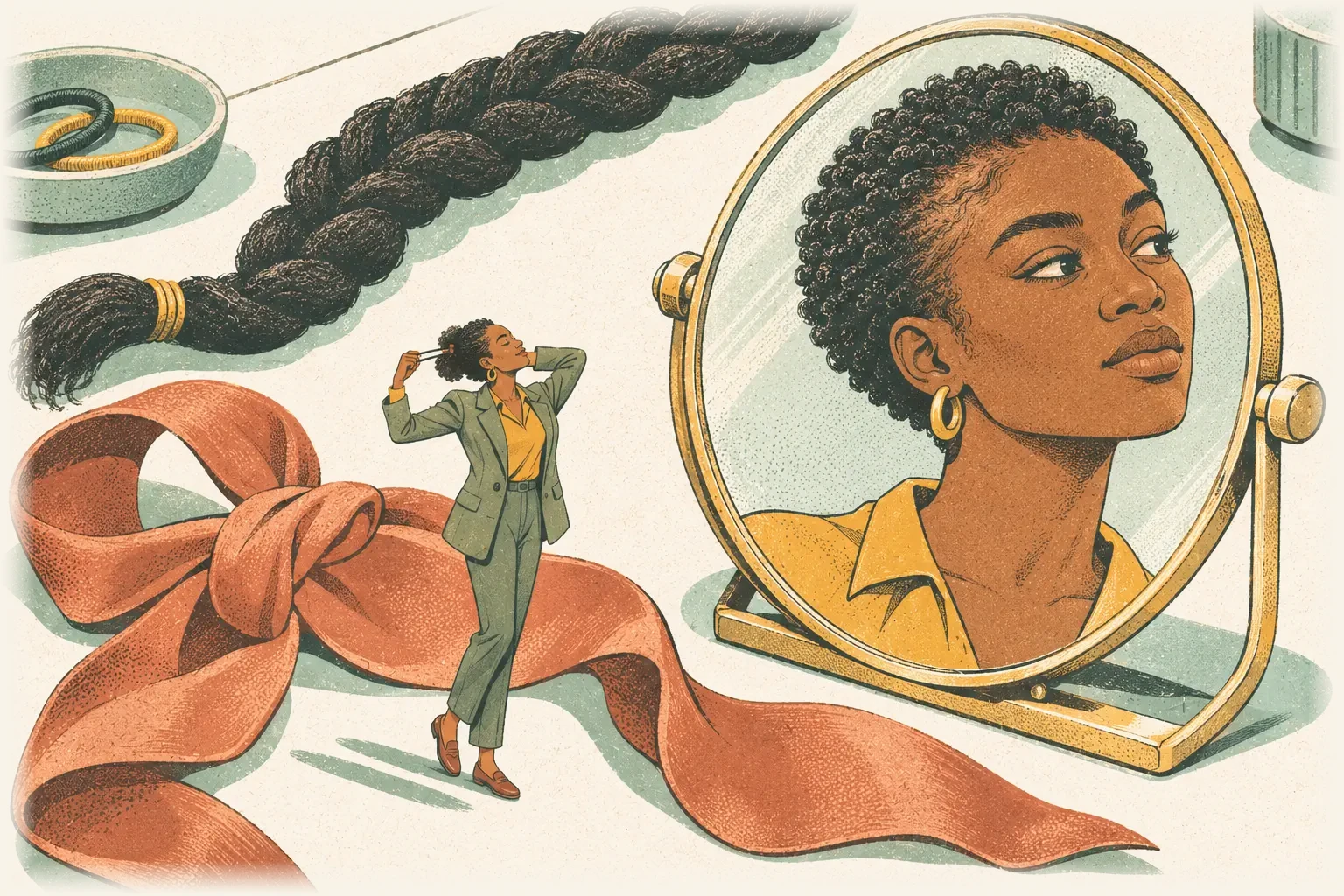
Thinning edges and traction
Repeated tension from tight hairstyles can affect the temples and hairline. Reducing tension is important. Early loss may recover; long-standing loss may scar. A clinician should establish whether follicles are still active before discussing treatment.
02
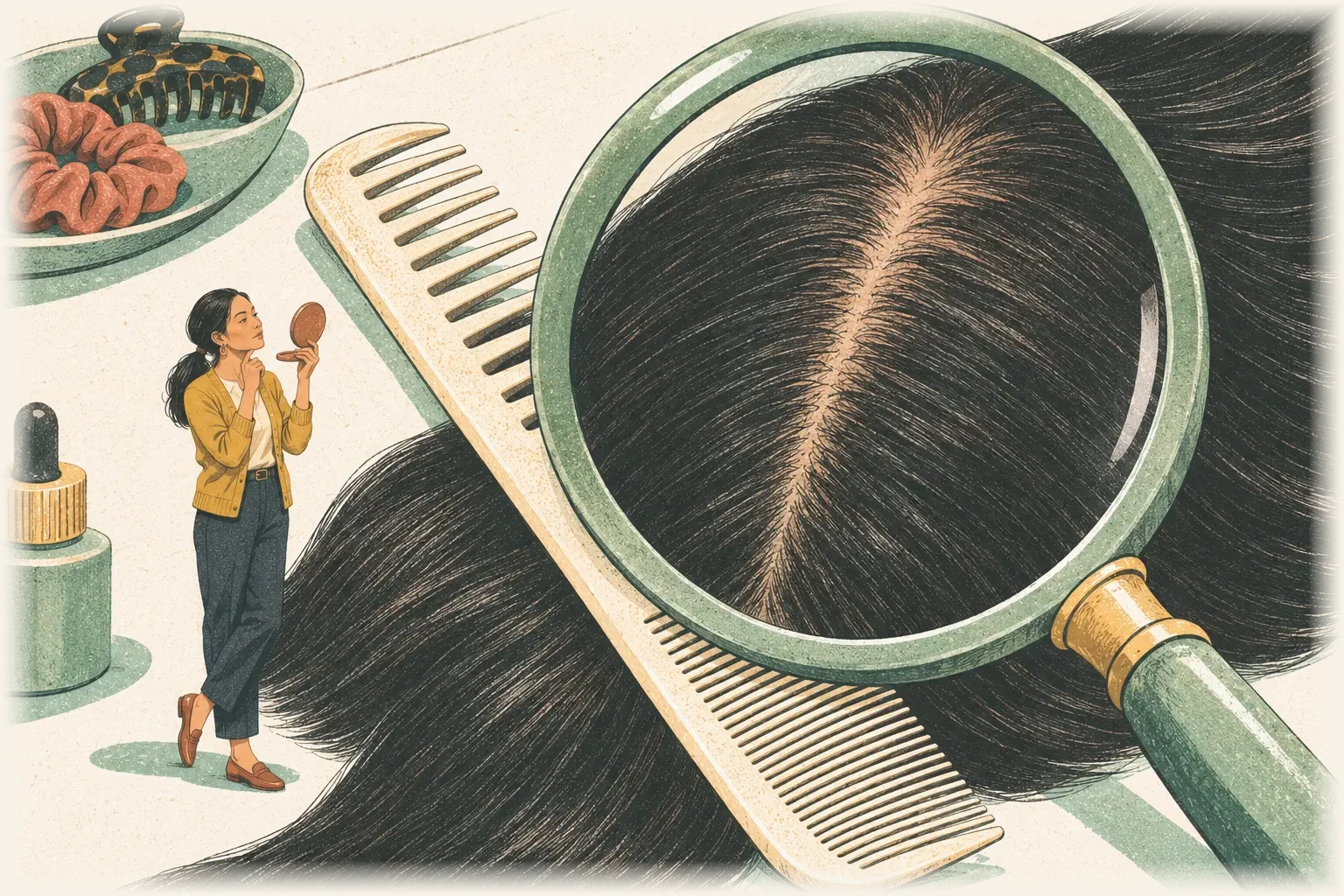
A widening part
Female pattern hair loss often appears as gradual thinning through the part and top of the scalp. Medical treatment may be considered before surgery. A donor area that is also thinning can limit transplant options.
03
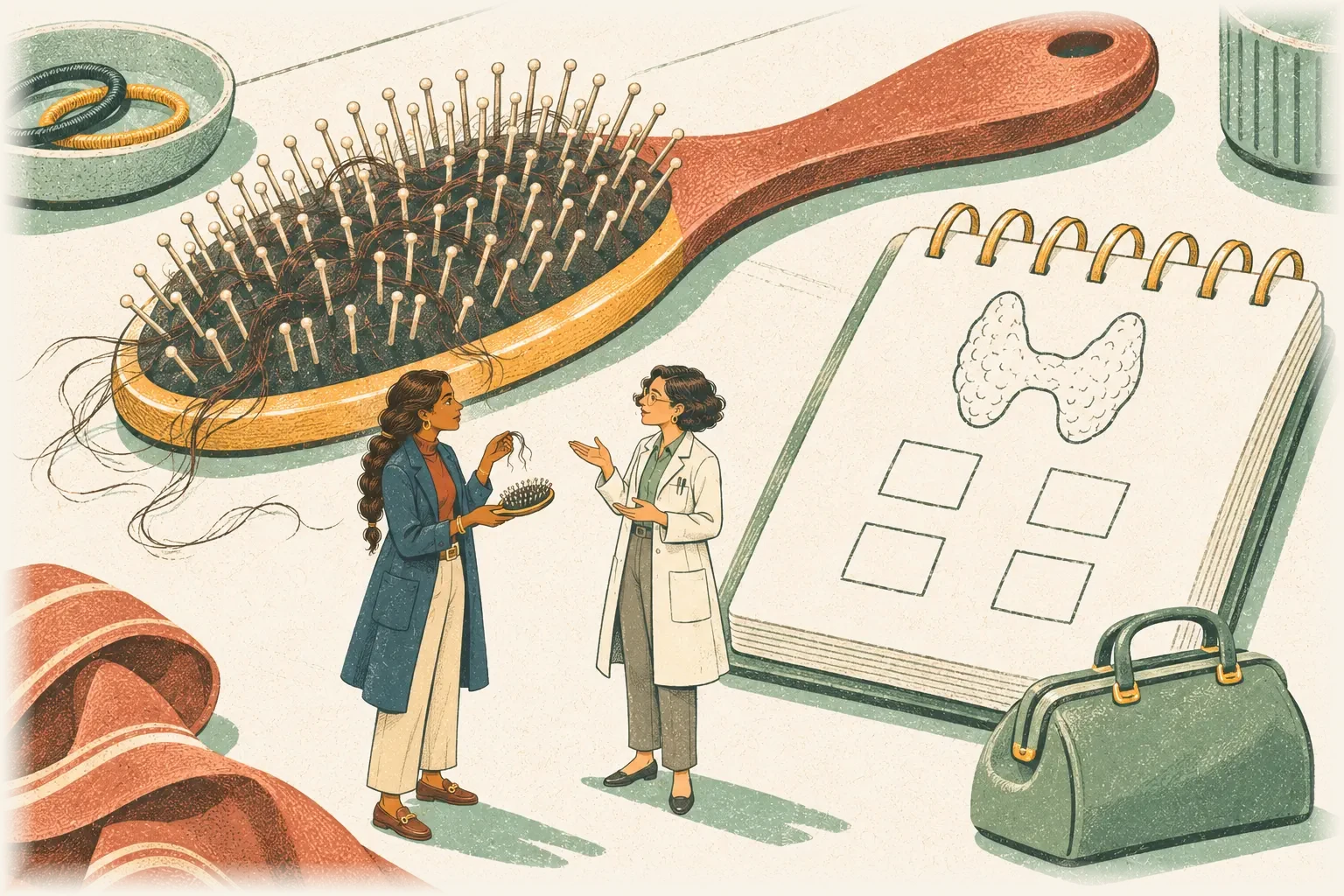
Shedding and medical causes
Pregnancy, illness, some medicines, nutritional deficiencies and thyroid conditions can contribute to shedding. Finding the cause comes first; a transplant is not a treatment for every type of hair loss.
04
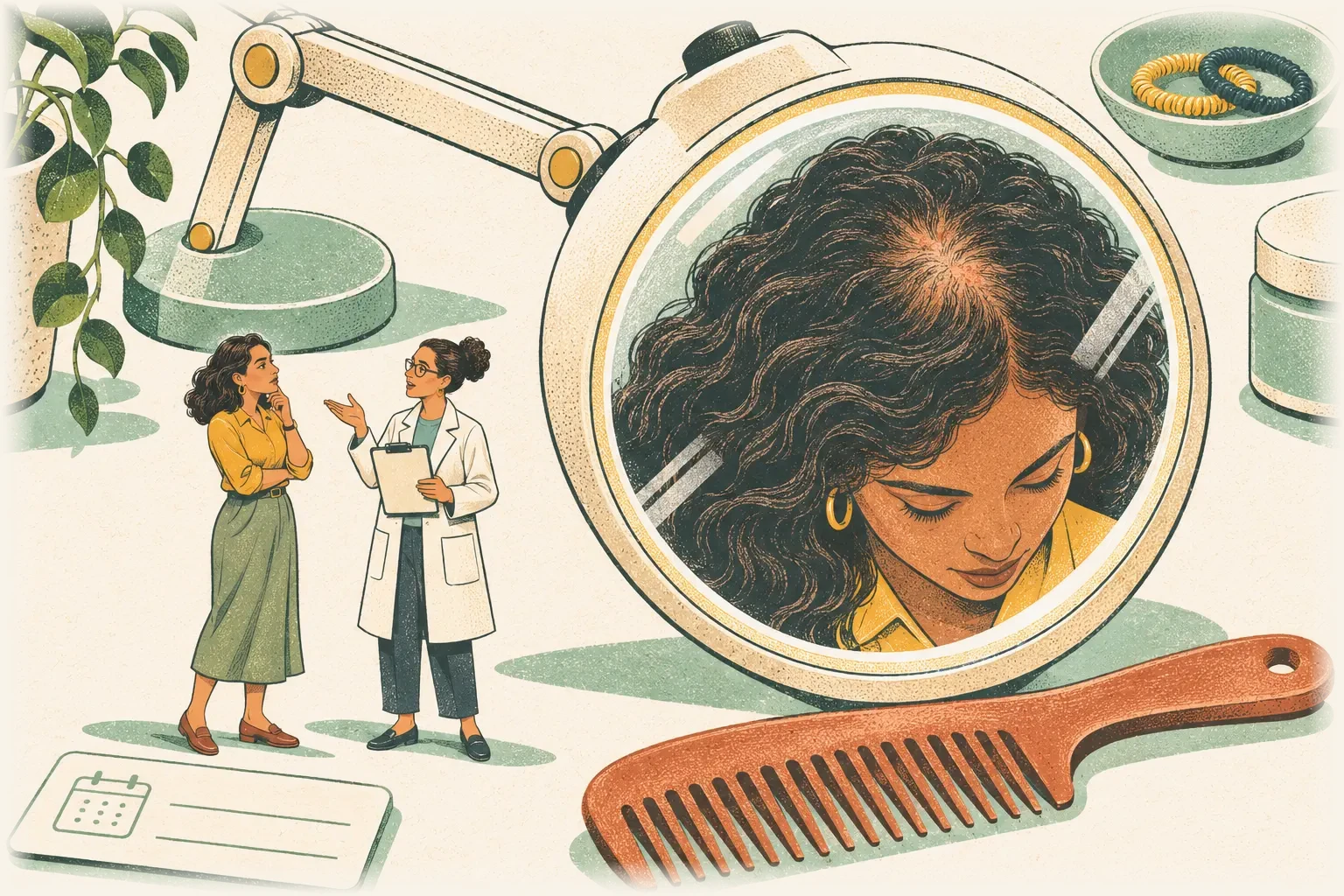
Scalp inflammation and scarring
Pain, burning, itching or a spreading area of loss deserves medical assessment. Conditions such as CCCA and frontal fibrosing alopecia need specialist care. Surgery may be unsuitable while a condition is active.
Before you decide
The questions worth asking.
01
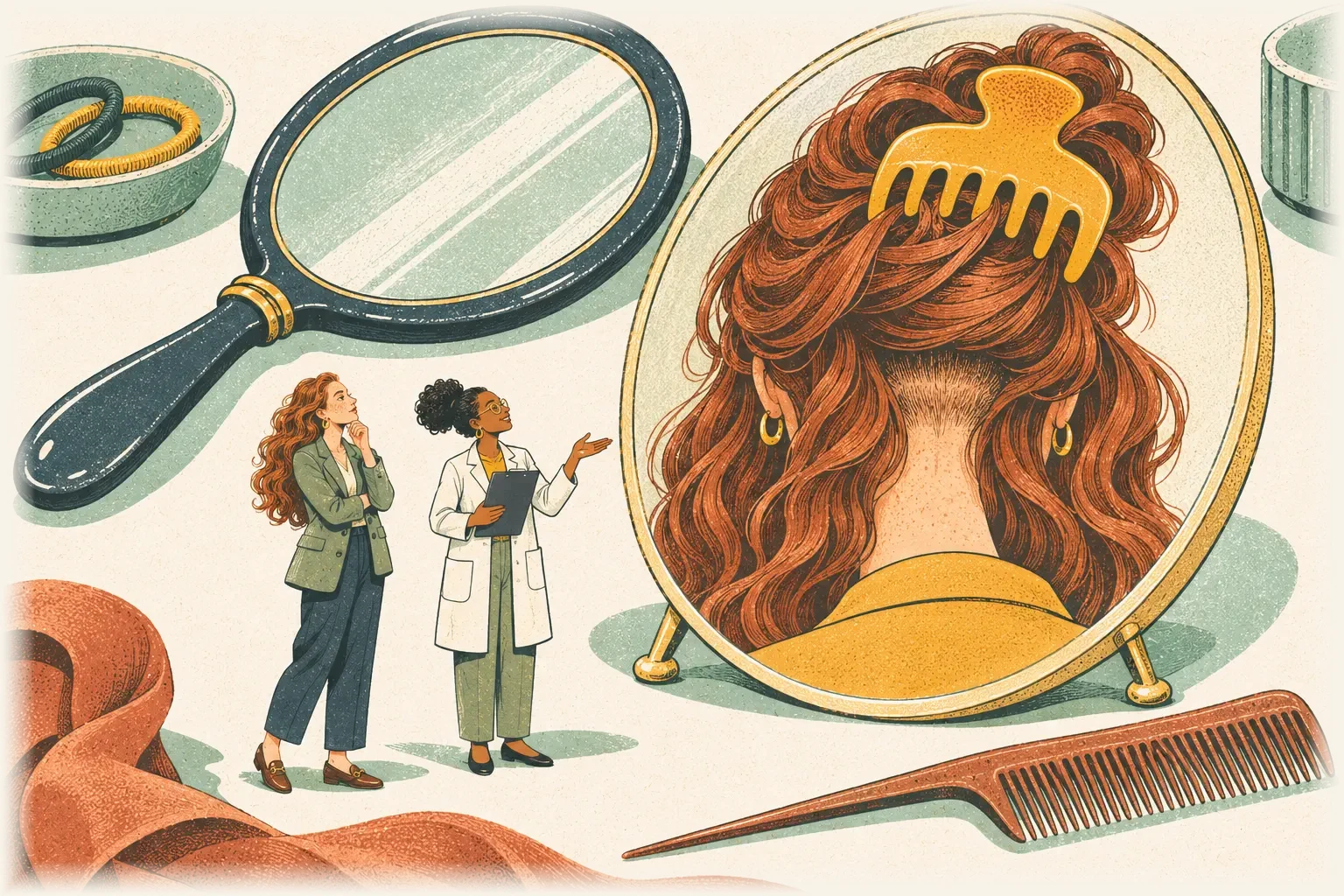
Will I need to shave my hair?
Not necessarily. Some plans use a small donor window concealed by longer hair, or an unshaven technique. Availability depends on your hair, graft needs and the clinical team's approach. Confirm the exact shaving plan before booking travel.
02
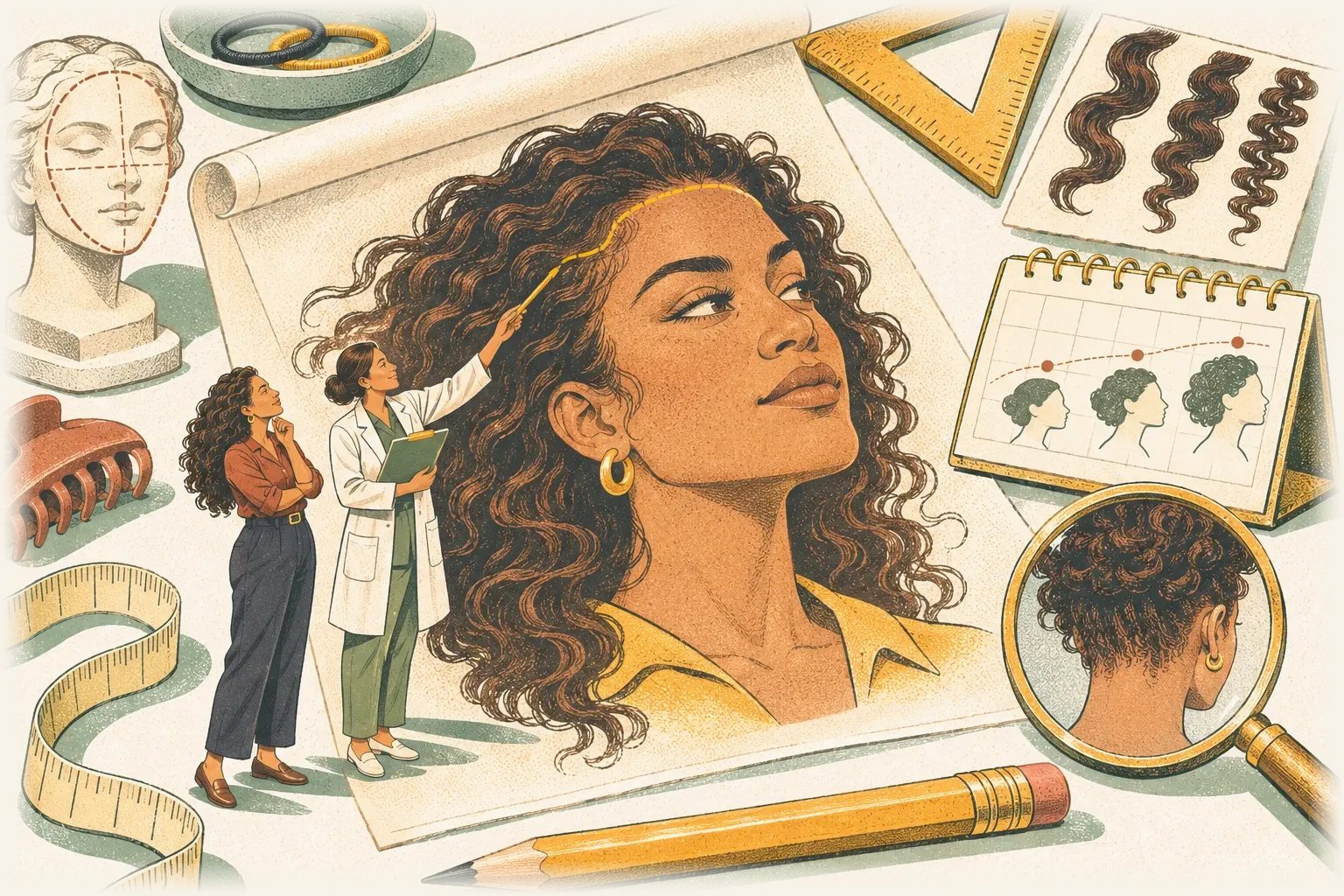
What determines a suitable hairline?
The team considers your existing hairline, facial proportions, hair texture and growth direction, as well as future loss and donor supply. The design should be discussed and agreed with you, not chosen from a package name.
03
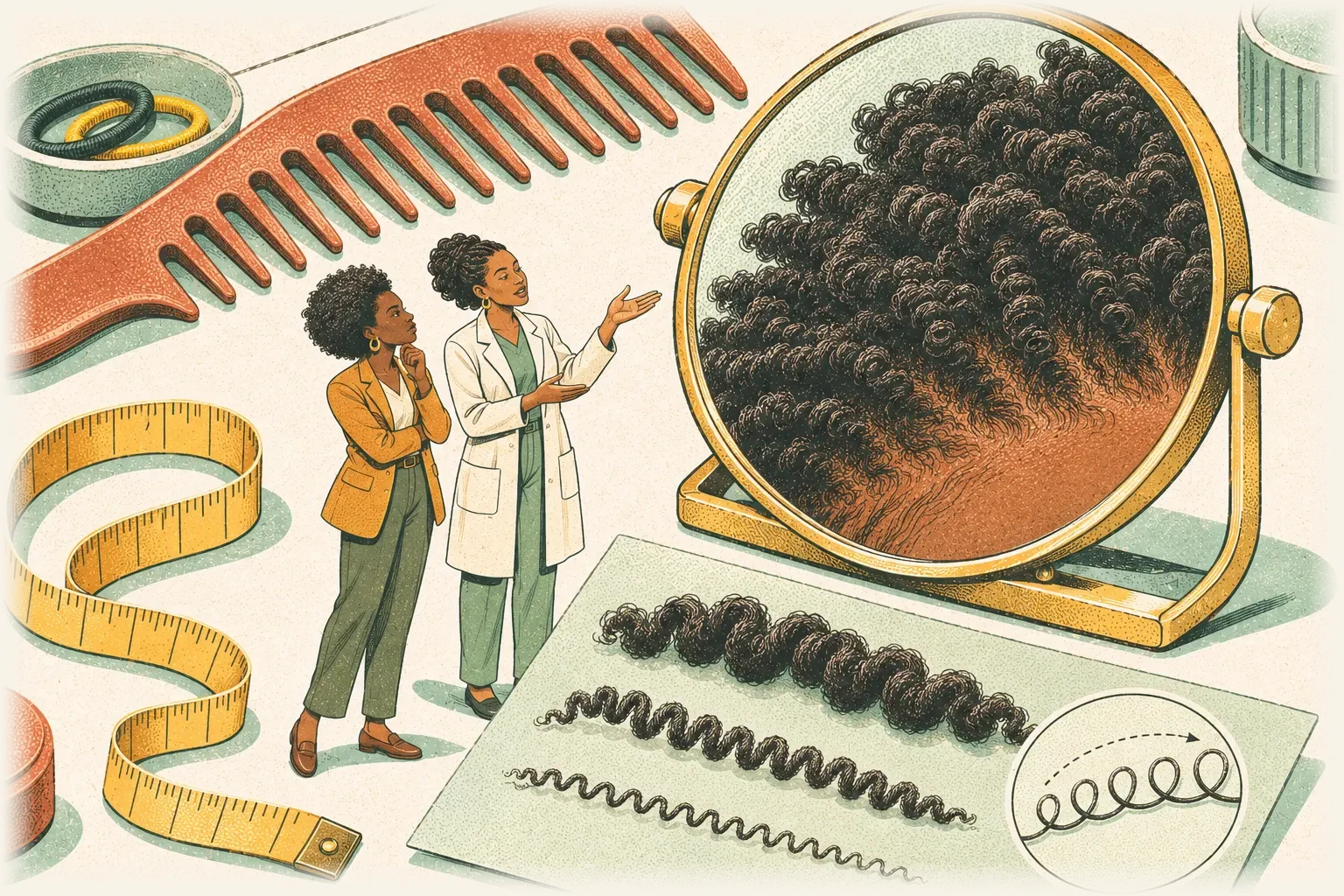
What about textured and coily hair?
Curl pattern affects how follicles are handled and how coverage appears. Ask about the team's experience with your hair texture, and discuss donor assessment, extraction risks and realistic density.
04
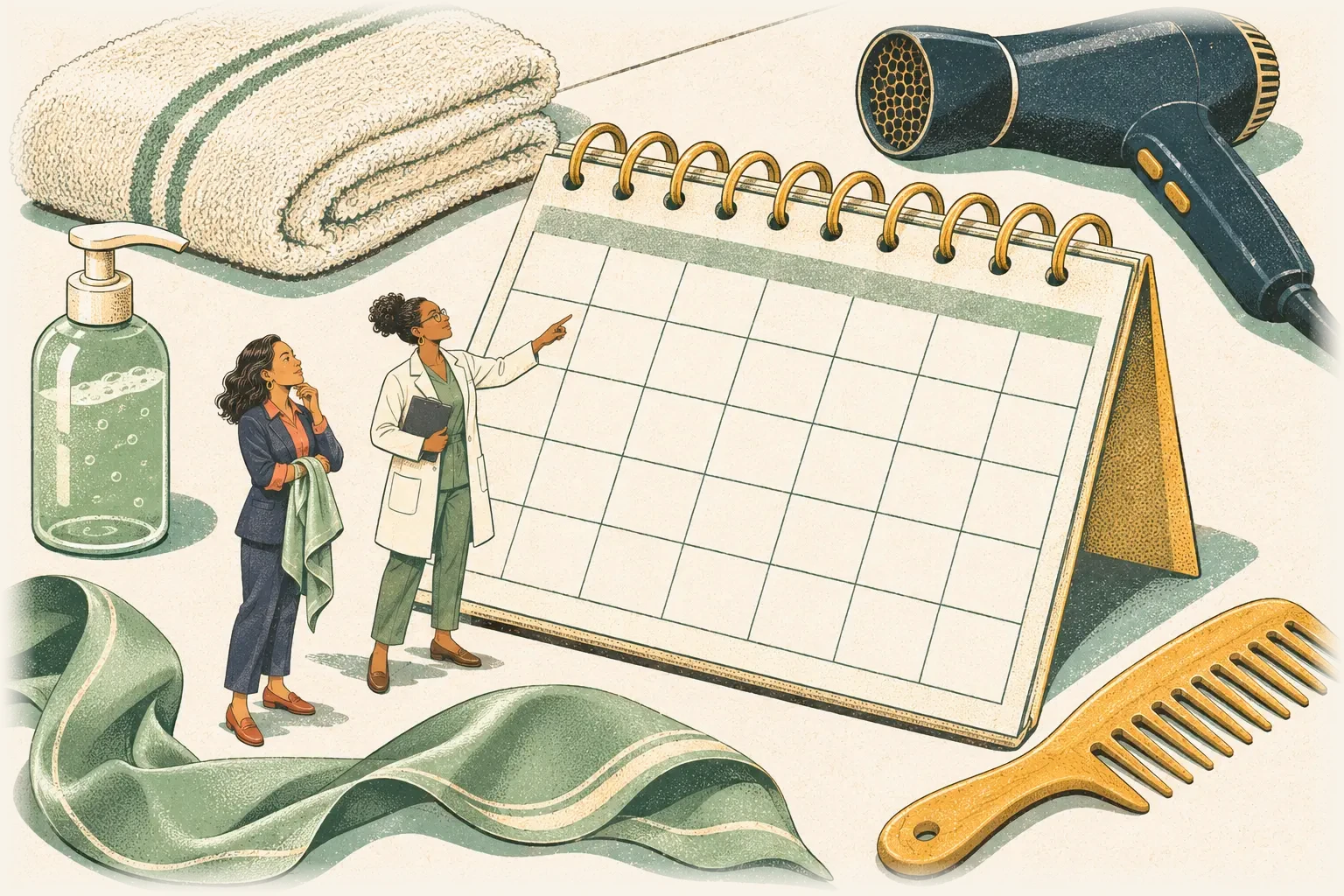
When can I return to my usual styling?
Ask for written instructions on washing, work, exercise, colouring, heat and protective styles. Avoid tension on healing areas. Recovery and styling restrictions vary with the procedure and your scalp condition.
Eyebrow restoration · For women and men
Eyebrow fill-ins, using your own hair.

First, understand the cause.
Over-plucking, injury, ageing and medical or inflammatory conditions can all affect eyebrows. New or unexplained loss should be assessed medically. A transplant may not be appropriate if an underlying condition is still active.
A consultation explores your goals. The treating clinical team must confirm suitability, donor hair, technique and availability. Eyebrow treatment is not assumed to be included in the scalp packages; request a separate confirmed quote.
A small area. A detailed plan.
Natural-looking placement and a realistic understanding of maintenance matter as much as the number of grafts.
01
Your own hair, relocated
An eyebrow transplant moves follicles, usually from the scalp, into sparse areas of the brows. It can address gaps or rebuild part of the shape. It is surgery, not microblading, tattooing or a temporary cosmetic fill-in.
02
Shape, angle and texture
The clinician plans the brow shape with you and places grafts to follow the brows' changing growth directions. Donor texture, curl and thickness influence the result. Transplanted scalp hair will not necessarily behave like native eyebrow hair.
03
Ongoing trimming
Scalp hair transplanted into the brows can retain its longer growth cycle. Regular trimming and grooming may be needed. This maintenance is part of the decision, not just an early recovery step.
04
Healing and gradual growth
Temporary swelling, bruising and small crusts can occur. Transplanted hairs may shed before new growth appears over the following months. Final appearance takes time, and density or direction may need further review.
Discuss the risks openly.
Possible risks include infection, bleeding, scarring, poor graft growth, uneven density or hair growing in an unwanted direction. Further treatment may be needed. Ask the clinician how these risks apply to you and how follow-up is handled.
Before booking travel.
- Confirm donor preparation and any shaving required.
- Ask about shape approval, trimming and styling.
- Get written aftercare and a return-travel plan.
- Confirm the treatment quote and follow-up arrangements.
Further reading: American Academy of Dermatology: hair loss; Cleveland Clinic: eyebrow transplant. Information here is educational, not a diagnosis or a promise of results.
Continuing your plan
What comes next.
01 · Packages and cost
The same clear packages.
Scalp restoration for women uses the same packages and payment terms. Graft numbers, technique and whether the donor area can stay unshaven are confirmed at consultation. Eyebrow treatment is quoted separately.
02 · The Istanbul journey
A calm, planned trip.
Private airport pickup, hotel, consultation and procedure days, rest, and the first wash before you fly home. If an unshaven technique is used, recovery can be more discreet, but your aftercare still matters.
Free consultation
A short conversation is the easiest next step. No commitment.
Video call on Google Meet